

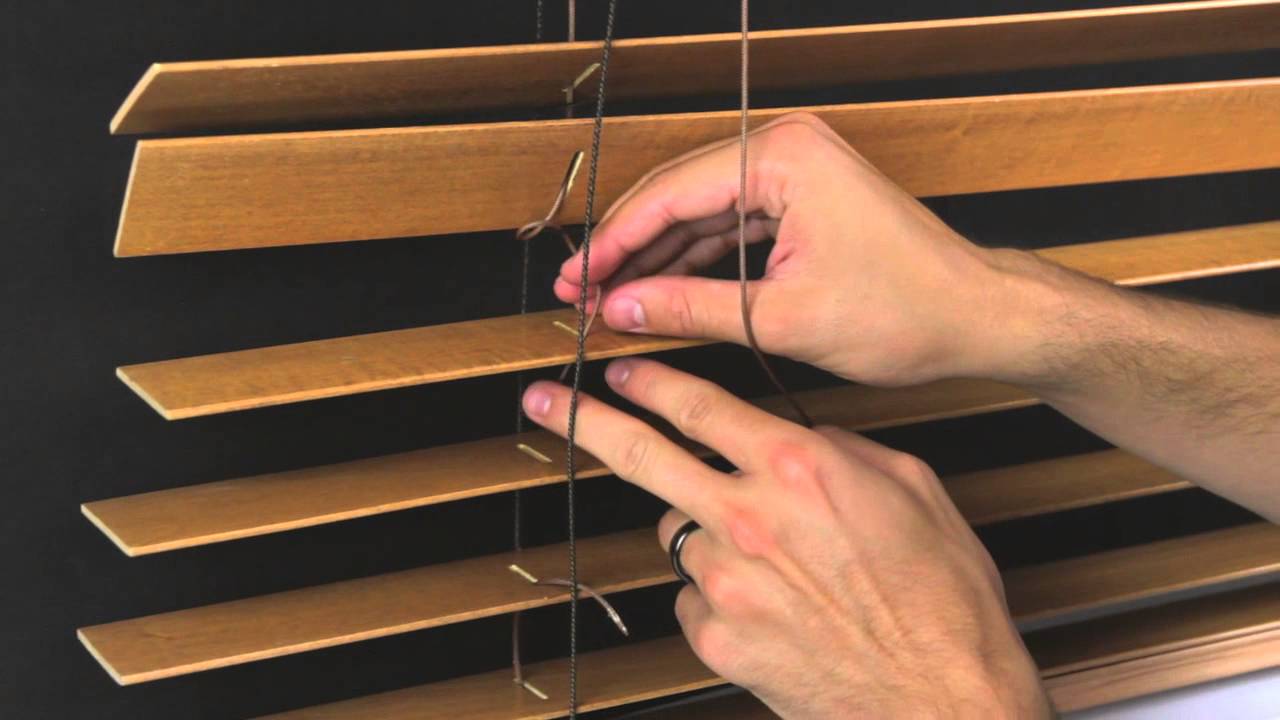
Experiencing issues with blinds that won’t budge can be frustrating. Whether they’re refusing to go up or down, or simply not adjusting smoothly, it’s a common problem that many homeowners face. Fortunately, there are straightforward steps that can be taken to remedy this situation, ensuring that your blinds function smoothly again. This approach not only offers a quick fix but also helps in maintaining them for the long run, avoiding similar issues in the future.
Understanding the Common Causes of Stuck Blinds
Experiencing your blinds getting stuck or jammed can be both frustrating and confusing. Understanding the common causes behind this issue is the first step towards a solution. From everyday wear and tear to the unique climate challenges in Minnesota, various factors contribute to this common household problem.
Mechanism Wear and Tear
Repeated use is the primary reason most blinds eventually encounter issues. Every time you pull on the cord or twist the wand, you’re putting tension on the internal components of your blinds. Over time, these parts can wear down or break, resulting in blinds that get stuck or won’t operate smoothly. Regular use might not seem like it could cause significant damage, yet it’s the most common culprit behind malfunctioning blinds.
Environmental Impact
Living in Minnesota, homeowners are no strangers to drastic temperature fluctuations throughout the year. These environmental conditions can cause the materials in your blinds to expand or contract unexpectedly. Such expansion and contraction can lead to jammed blinds, as the components no longer fit together as designed. This is especially true for natural materials like wood, which are more susceptible to changes in humidity and temperature.
Incorrect Installation
Another frequent source of trouble is the incorrect installation of blinds. If blinds are not aligned properly during installation, it can lead to misaligned tracks or cords, causing the blinds to get stuck. A few millimeters off can mean the difference between smooth operation and constant frustration. This is why professional installation, like the services offered by We Fix Blinds, can be invaluable in avoiding these issues from the get-go.
Dust and Debris Buildup
It’s not just the big things that can cause your blinds to stick. Over time, dust and small debris can accumulate within the mechanism of your blinds, impeding their function. Regularly cleaning your blinds can prevent this buildup, but it’s often overlooked until the blinds stop working properly. This is particularly prevalent in areas like the Twin Cities, where seasonal changes can bring about a wide array of particulates that find their way into your home and, subsequently, your blinds’ mechanisms.
Addressing stuck blinds starts with identifying the root cause. Whether it’s wear and tear, the impact of Minnesota’s climate, improper installation, or simply the buildup of dust and debris, understanding these common causes can guide you toward fixing the issue effectively and preventing future occurrences.
Initial Troubleshooting Steps for Stuck Blinds
When faced with the common, yet maddening, issue of stuck blinds, it’s crucial to approach the problem methodically. Before turning to professional help or considering replacements, there are several troubleshooting techniques you can employ to potentially free your jammed blinds. These initial steps can save you both time and money.
Visual Inspection
Start with a detailed visual inspection of the blinds. Look for any obvious signs of damage, such as bent slats, misaligned tracks, or visible wear on the cords. Pay special attention to the top mechanism, as this is often where issues originate. Checking for any parts that seem out of place or not sitting correctly can give you a good indication of what might be causing the blinds to stick.
Cleaning the Mechanism
Once you’ve inspected your blinds, the next step is a thorough cleaning. Dust and debris accumulation can greatly impact the functionality of blinds. Use a duster or a vacuum with a brush attachment to gently remove dust from the slats and the top mechanism. For more stubborn dirt, a slightly damp cloth can help. Ensure the blinds are completely dry before attempting to use them again to avoid any damage caused by moisture.
Testing the Tension
Incorrect tension on the cords or chains could also be a culprit. If the tension is too tight, it might prevent the blinds from moving smoothly. Conversely, if it’s too loose, the blinds might not move at all. Most blinds have adjustment mechanisms that allow you to control the tension. Refer to the manufacturer’s instructions on how to adjust this tension properly. A slight adjustment might be all that’s needed to get your blinds moving again.
Checking for Obstructions
Frequently, the issue can be as simple as an obstruction in the blind’s tracks. Small objects or accumulated debris can block the path of the blinds or their components, causing them to stick. Carefully examine the tracks for any foreign objects, and remove any obstructions you find. A can of compressed air can be highly effective in dislodging debris from hard-to-reach places within the mechanism.
Undertaking these troubleshooting steps can often resolve the issue of stuck blinds. While they might seem straightforward, each step is crucial in identifying and fixing the root cause of the problem. This hands-on approach not only familiarizes you with the operational aspects of your blinds but can also extend their lifespan by ensuring they’re properly maintained and free from obstructions.
DIY Fixes for Common Blind Problems
Once you’ve gone through the initial troubleshooting steps for your stuck blinds, including a thorough inspection, cleaning, and adjustment process, you might find that more specific fixes are necessary to get them back in perfect order. Here are actionable solutions for some of the most common issues.
Replacing Damaged Components
In some cases, parts of your blinds may be beyond repair and require replacement. Common parts that may need replacing include broken slats, damaged lift cords, or worn-out tilt mechanisms. Most blind manufacturers offer replacement parts that you can order online. Ensure you have the exact measurements and model numbers on hand to get the right fit. Replacing these components can often be a straightforward process, with plenty of online tutorials available to guide you through each step.
Realigning the Blinds
Misalignment often causes blinds to stick or jam. If your blinds aren’t raising or lowering evenly, carefully remove them from the window and lay them on a flat surface. Check for any slats that may have become disconnected from the lift cord. In many cases, you can manually rethread the cord through the misplaced slat. If your vertical blinds are out of sync, gently twisting them back into alignment can do the trick.
Adjusting for Temperature
Effects If you live in an area with significant seasonal temperature changes, like Minnesota, it’s essential to consider the impact on your blinds. Materials, especially wood and faux wood, can expand or contract with temperature fluctuations, causing sticking issues. During extreme temperature periods, a slight adjustment of the blinds’ components may be necessary. This may include loosening or tightening the brackets that hold the blinds in place, allowing more room for the materials to expand or contract.
When to Seek Professional Help
While many blind issues can be fixed with DIY solutions, certain scenarios may require professional intervention. If your blinds have a complex mechanical failure or if you’re not comfortable performing the repairs yourself, reaching out to a professional repair service like We Fix Blinds might be the best course of action. These experts can handle a wide range of problems, ensuring your blinds are fixed quickly and efficiently.
Preventative Measures and Maintenance Tips
Regular maintenance and care are key to preventing your blinds from getting stuck in the first place.
Regular Cleaning Schedule
Implementing a monthly cleaning routine can significantly reduce dust and debris buildup, ensuring smooth operation. Use a microfiber cloth or a vacuum with a brush attachment to keep the slats clean.
Periodic Inspections
Take time every few months to inspect your blinds for any signs of wear or damage. Early detection of issues can prevent more significant problems down the line.
Professional Servicing
Consider having your blinds professionally serviced once a year. This is especially beneficial for high-quality or intricate blinds that require more specialized care.
Education on Proper Use
Finally, ensuring everyone in your household knows how to correctly operate the blinds can go a long way in preventing damage. This includes understanding how to properly open, close, and adjust the blinds without forcing them. By understanding and applying these DIY fixes, preventative measures, and maintenance tips, you can ensure your blinds stay functional and attractive for years to come, avoiding the frustration of stuck blinds.
Struggling with stubborn blinds? Don’t let them ruin your space’s comfort. At We Fix Blinds, we’re experts in repairing all types of blinds, ensuring smooth, functional window coverings fast.