

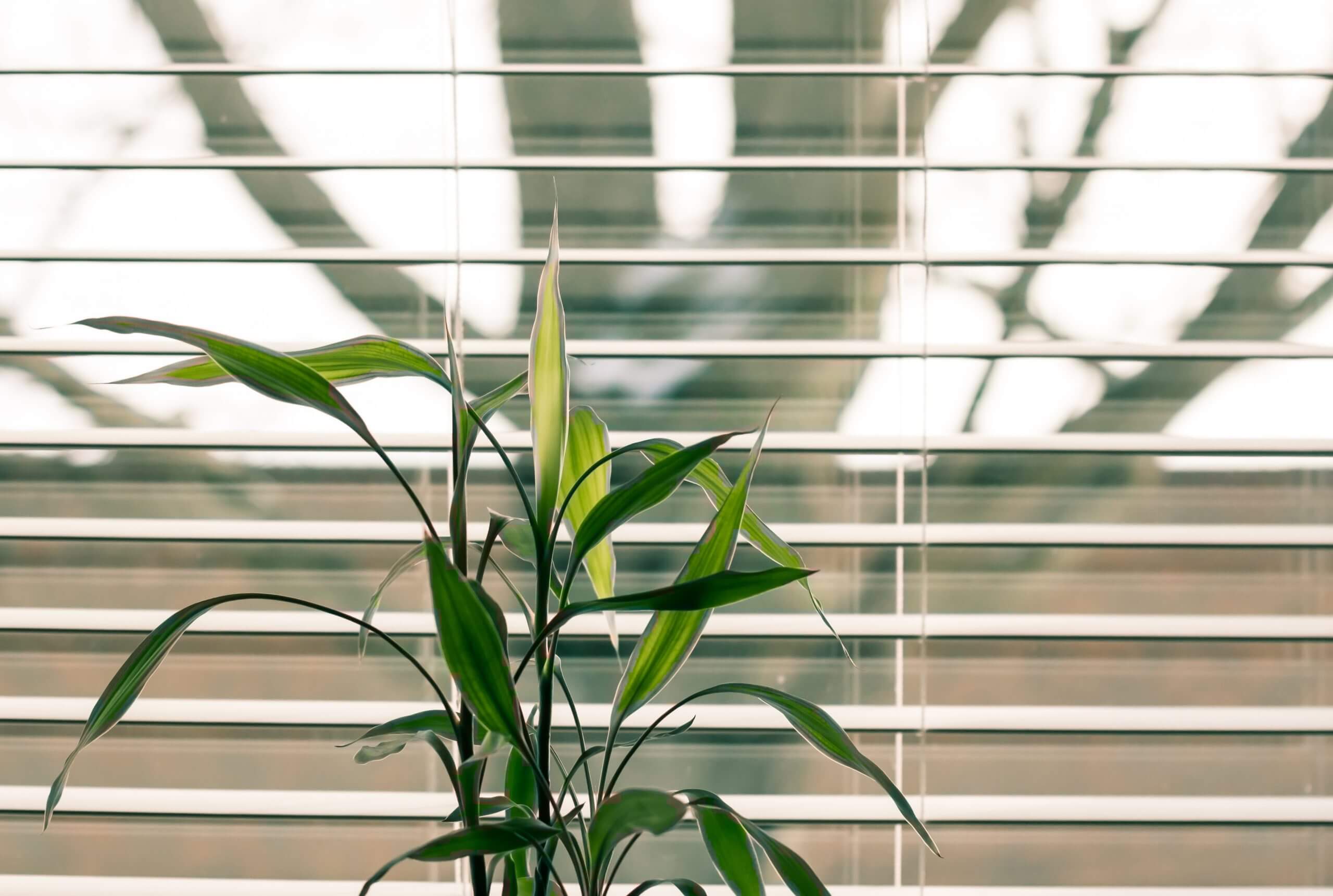
Understanding the importance of eco-friendly living is crucial in today’s world, and one way to contribute to sustainability is by choosing eco-friendly blinds. These window coverings are designed with materials and processes that minimize environmental impact, aligning with the growing trend of eco-conscious home improvement choices. Traditional blinds often involve manufacturing processes that contribute to pollution and waste, making a shift towards sustainable options not only desirable but necessary.
Eco-friendly blinds are crafted to reduce the carbon footprint of your home, providing a sustainable solution that doesn’t compromise on style or functionality. With environmental concerns becoming more prevalent, consumers are increasingly opting for products that reflect their commitment to the planet.
Understanding Eco-Friendly Blinds
Eco-friendly blinds are designed with sustainability in mind, utilizing materials and manufacturing processes that have a reduced impact on the environment. These blinds serve a dual purpose: they enhance the aesthetic appeal of your home while promoting sustainable living practices. The trend towards eco-conscious choices in home improvement is gaining momentum as homeowners seek to reduce their environmental footprint.
Traditional blinds can have significant environmental drawbacks, including the use of non-renewable resources and energy-intensive manufacturing processes. This has led to a shift in consumer preferences towards more sustainable alternatives, as people become more aware of the environmental impact of their choices.
Materials Used in Eco-Friendly Blinds
One of the most popular materials used in eco-friendly blinds is bamboo. Bamboo is a highly sustainable material due to its rapid growth rate and minimal environmental impact. It regenerates quickly, requiring less water and no pesticides, making it an ideal choice for eco-conscious consumers.
Recycled fabrics are another key component in the production of eco-friendly blinds. By using materials that would otherwise contribute to waste, these blinds help reduce the overall environmental impact. Other sustainable materials include jute and organic cotton, both of which are biodegradable and sourced from renewable resources.
Energy Efficiency and Cost Savings
Eco-friendly blinds can significantly enhance a home’s energy efficiency by providing superior insulation. They help maintain indoor temperatures, reducing the need for excessive heating or cooling. This can lead to substantial savings on energy bills, as less energy is required to maintain a comfortable environment.
Studies have shown that eco-friendly window coverings can lead to significant energy savings. By reducing the reliance on artificial lighting and improving insulation, these blinds contribute to a more sustainable home environment.
Reducing Carbon Footprint
Opting for eco-friendly blinds is a practical way to reduce your home’s carbon footprint. The lifecycle impact of these materials is considerably lower compared to traditional options, as they are sourced from renewable resources and often require less energy to produce. By choosing sustainable materials, homeowners can support broader environmental goals, such as reducing deforestation and lowering greenhouse gas emissions.
Local and Global Environmental Impact
The impact of eco-friendly blinds extends beyond individual homes, influencing local and global environments. In areas like the Twin Cities, where environmental consciousness is growing, these blinds can contribute to local sustainability initiatives. By supporting local businesses that promote eco-friendly solutions, residents can help reduce the overall environmental impact of their community.
Globally, the adoption of eco-friendly blinds can lead to reduced deforestation and lower greenhouse gas emissions, supporting efforts to combat climate change.
Challenges and Considerations
While eco-friendly blinds offer numerous benefits, there are challenges to consider, such as cost and availability. However, as consumer demand for sustainable products grows, innovations are emerging to make these blinds more accessible and affordable.
There are also misconceptions about eco-friendly blinds, such as the belief that they are less durable or aesthetically pleasing than traditional options. Addressing these misconceptions is crucial to encouraging wider adoption of sustainable window coverings.
Future Trends in Eco-Friendly Window Coverings
The future of eco-friendly blinds is promising, with ongoing developments in materials and technologies enhancing their sustainability. Emerging innovations are set to make these blinds even more efficient and environmentally friendly, aligning with the shifting preferences of consumers towards sustainable home solutions.
Policy and regulation will play a key role in promoting eco-friendly home products, encouraging manufacturers and consumers to adopt more sustainable practices.
In the Twin Cities, where environmental consciousness is a priority, the trend towards eco-friendly blinds is likely to continue, driven by a combination of consumer demand and local initiatives promoting sustainable living.